
Whoa!
Funny thing: I used to treat transactions like emails — hit send and forget. That was dumb. My instinct said “you’ll be fine,” until I wasn’t. Initially I thought failed transactions were just a gas math problem, but then I watched a multi-sig lose time and funds because a contract call reverted in production. Ouch.
Transaction simulation is the safety net most DeFi power users sleep on. Really? Yes. It tells you what will happen before you commit to spending real gas on real chains, and that matters when every failed attempt is money burned and front-running risk amplified.
Here’s what bugs me about raw wallets: they let you sign and broadcast without painting a clear picture of the outcome. That used to be the norm. Now, with tooling that simulates calls, you can preview state changes, spot reverts, estimate gas more accurately, and test edge cases like slippage, oracle drift, or a contract’s internal guardrails — the things that bite hard in volatile markets.
Okay, so check this out — what simulation actually does
Simulating a transaction runs it against a local or remote node using the current chain state, but without broadcasting it to the mempool. It replays the tx, decodes the execution path, and reports success or failure, consumed gas, and emitted logs. Sounds simple. Though actually, the devil’s in the inputs: block-dependent calls, time locks, and off-chain oracles can make a simulation lie.
On one hand simulation is transformative. On the other hand it is not omniscient. You can catch obvious reverts, reentrancy traps, and bad calldata. You can also see token balances before and after, and even approximate gas usage. But there are edge cases — like mempool state, pending transactions, or future block timestamps — where simulations will be optimistic. So use them wisely.
I’m biased, but a modern wallet should give you that preview by default. It should also surface decoded revert reasons, human-readable state diffs, and allow you to replay different gas limits or signer combinations. That’s part of why I recommend a wallet that treats transactions like experiments, not one-time bets.
How simulation changes the game for smart contract interactions
When you’re interacting with contracts, the smallest assumption can cost hundreds of dollars. Seriously? Yes. A mistaken approval, wrong function signature, or a stale nonce — somethin’ tiny — will blow up your plan.
Simulation lets you:
- See revert messages and debugging traces
- Preview token flow and post-transfer balances
- Estimate and tune gas and gas price (or maxFee/maxPriority)
- Test multi-call or batched transactions for atomicity
For example, if you’re doing a zap that bundles approvals, swaps, and deposits in one atomic call, simulation will tell you which internal call reverts before you send anything. That alone saves time. And saved time is saved gas and stress.
Advanced tips and caveats — from a few too many nights in the mempool
Always check oracle-dependent operations. If your tx reads a price from an oracle and that oracle has a latency or update window, your simulation might run on the current price while the on-chain execution hits a different one a block later. Hmm… frustrating. So add buffer slippage or time buffers when needed.
Nonce management matters. If you’re batching transactions across tabs or tools, a simulation that assumes nonce N might be invalid at broadcast time because another tx took N first. To mitigate: reserve nonces, or use a wallet that helps sequentialize broadcasts.
MEV and frontrunning are real. Simulation won’t replicate miners’ reorderings or sandwich attacks. However, running a simulation with higher gas and comparing outcomes can hint at sensitivity. Use private relays or flashbots when appropriate to reduce exposure.
Watch approvals like a hawk. Approve-then-swap flows are the usual suspects in exploits. Use simulation to confirm that only the expected amount is debited, not a blanket infinite allowance you regret later. Also, some wallets integrate allowance revocation flows — very handy.
Practical walkthrough — using a wallet that gets it
Start simple. Preview a single token transfer. Simulate it. See the gas and the balance delta. Good. Then simulate a swap on a DEX contract. Check the return values. Finally, simulate a batched deposit into a yield vault.
If your wallet decodes calldata and shows the contract calls as readable steps, you get a map of what will happen. If it highlights potentially dangerous things — like external calls that touch custody or calls to unknown contracts — you avoid dumb mistakes. Also, if your wallet offers a one-click “simulate with different gas” feature, use it; you can often find a cheaper but reliable point on the gas curve.
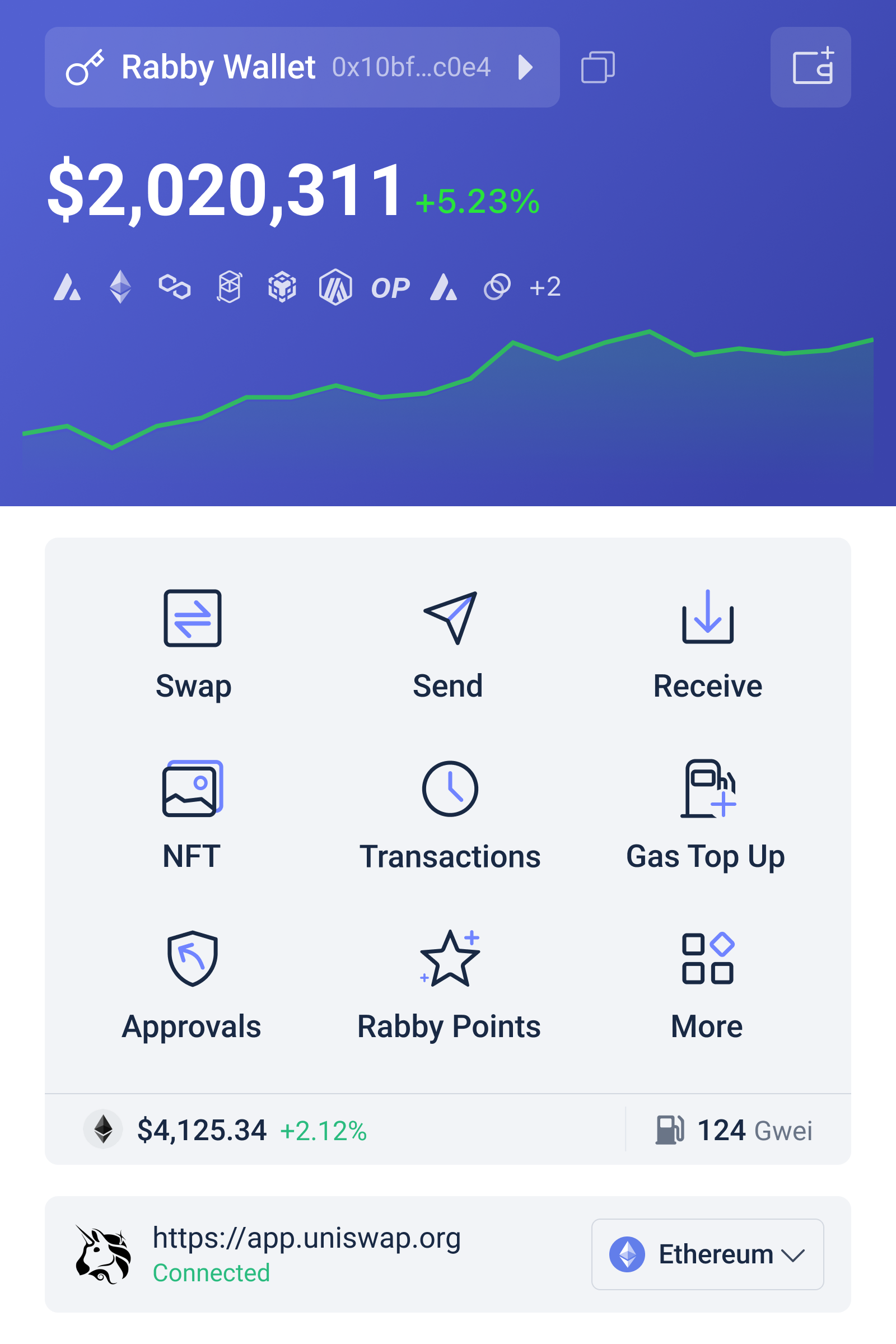
Okay, real talk: I use a wallet that embraces simulation and transaction insights. It makes me more confident when submitting complex plays. One benefit: you stop fearing the “failed tx” spinner and start treating every execution like a controlled experiment. If you want a tool that nudges you toward that practice, check out rabby wallet. Their UI emphasizes simulation and safety without getting in the way of advanced flows.
Developer notes — for the power users and integrators
If you’re building a dapp, integrate pre-submit simulation into your UX. Offer a “preview” step that runs the same calldata through a forked state node or a simulation API. That reduces helpdesk tickets and protects reputation. Also expose decoded revert reasons to users; a cryptic “execution reverted” is not helpful.
Pro tip: run simulated calls against a block-forked environment at the target chain’s latest block. That tends to be the most accurate reflection of immediate on-chain state. For time-dependent functions, let users simulate with projected timestamps. Some complex UXs even let users replay the simulation with pending mempool transactions applied — handy but complex.
Security folks will argue that simulation can be abused to fingerprint users. True. So balance transparency with privacy. Batch or aggregate telemetry, or provide local-only simulation options when privacy matters.
FAQ — quick answers for busy DeFi users
Can a simulation ever be 100% accurate?
No. Simulations are best-effort. They mirror current chain state, but pending mempool transactions, miner reorgs, and external oracle updates can change outcomes between simulation and execution.
Should I always simulate every transaction?
Not necessary for trivial transfers, though it’s cheap insurance. For contract interactions, swaps, approvals, and multi-step flows, simulate every time. It only takes a second and can save real gas and headaches.
Does simulation replace audits and code review?
Nope. Simulation helps catch runtime issues and bad caller inputs. It doesn’t replace formal audits or secure design reviews, but it’s an essential operational layer on top of good security practices.