

Accelerating the construction of major projects is a key measure for expanding domestic demand and stabilizing growth. In the first quarter of this year, Jiangsu kept a close watch on the start and progress of major projects and on bottlenecks and difficulties in order to strengthen support, and accelerated the implementation of a number of large and high-quality projects, providing solid support for a leading overall recovery in economic performance.
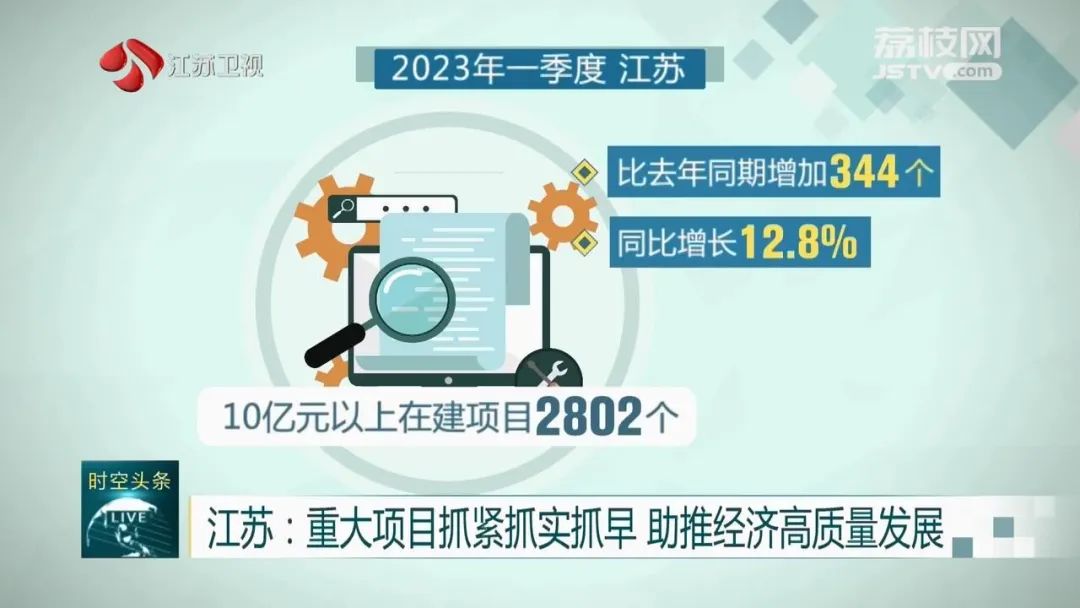
Data shows that in the first quarter of this year, the province had 2,802 projects under construction with investment of more than RMB 1 billion each, 344 more than in the same period last year, a year-on-year increase of 12.8%. To enable major projects to start early and be built quickly, localities took the initiative to provide front-line services and made every effort to clear bottlenecks and difficulties in project construction.
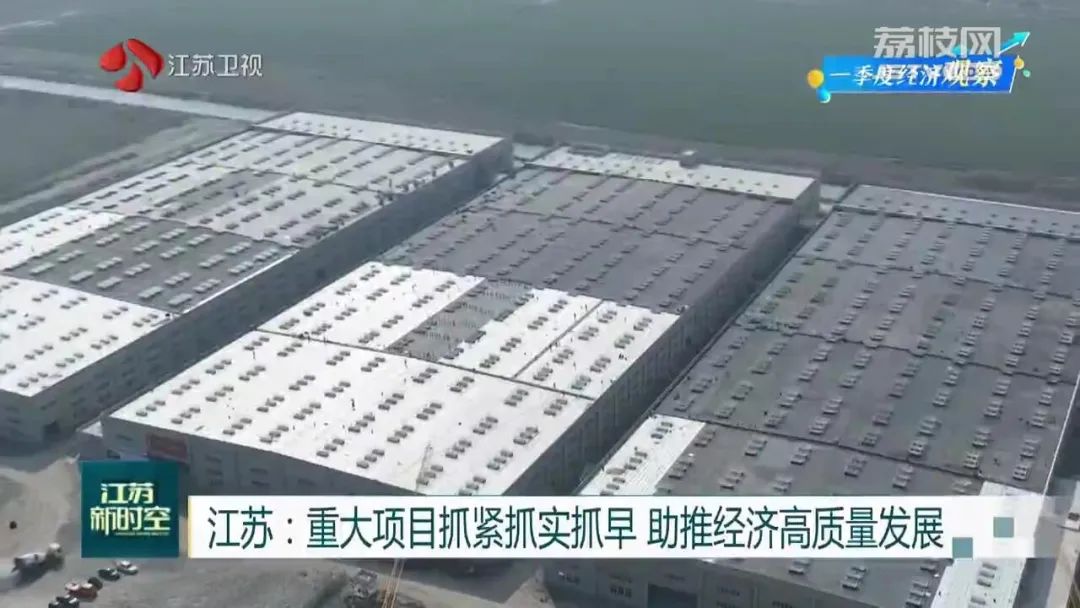
With a total investment of RMB 4.45 billion, the Rudong XINGI TECH ultra-high molecular weight polyethylene (UHMWPE) fiber project is a provincial major project this year. At present, three standard factory buildings have begun to take shape, and supporting facilities such as wastewater treatment are being advanced rapidly. As one of the world’s three major high-tech fibers, ultra-high molecular weight polyethylene fiber is 15 times as strong as high-quality steel. Relying on self-developed core technologies, Jiangsu XINGI TECH New Material Co., Ltd. has become a Manufacturing Single Champion with this product, which is in short supply. When the company’s expansion plan became known, the local government took the initiative to coordinate and set up a dedicated working group composed of eight departments. To avoid any slip-ups in the approval process, specialists identified possible bottlenecks in advance. After coordinating land, water and electricity for the project, energy consumption guarantees became a “stumbling block” in moving the project forward—so what was to be done? On the basis of thorough research, the working group drew on its familiarity with policy and put forward a creative solution.
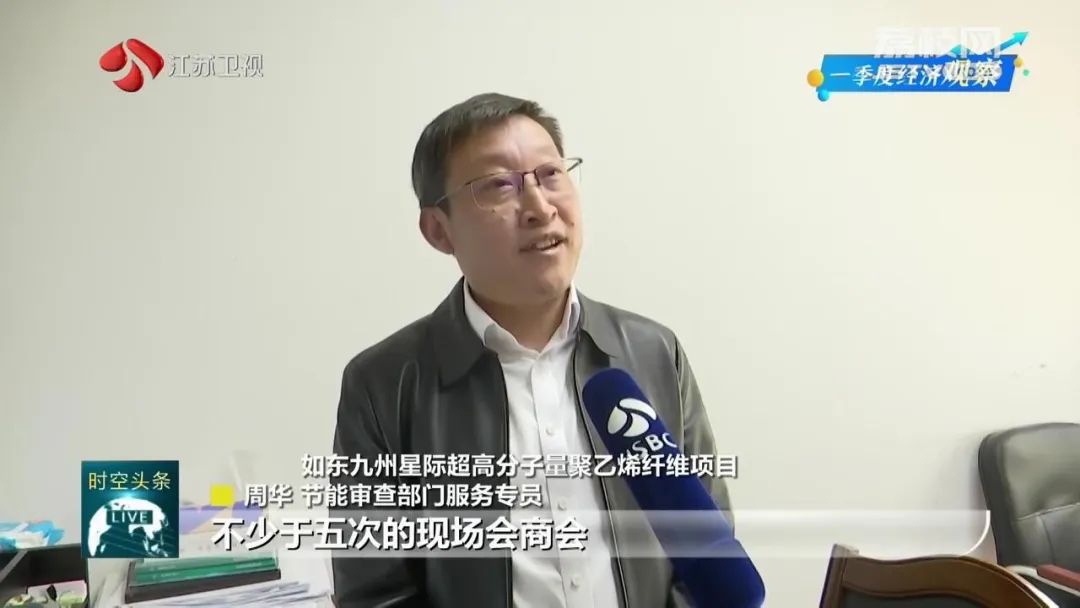
Zhou Hua, a service specialist of the energy conservation review department for the Rudong XINGI TECH ultra-high molecular weight polyethylene fiber project, said the working group held no fewer than five on-site consultation meetings and finally, in accordance with the relevant regulations, reasonably allocated the county’s increase in renewable energy to substitute for the project’s energy consumption quota.
Thanks to factor-guarantee services that “ran ahead,” the project saved at least half of the time from signing and landing to the “simultaneous issuance of five certificates.”
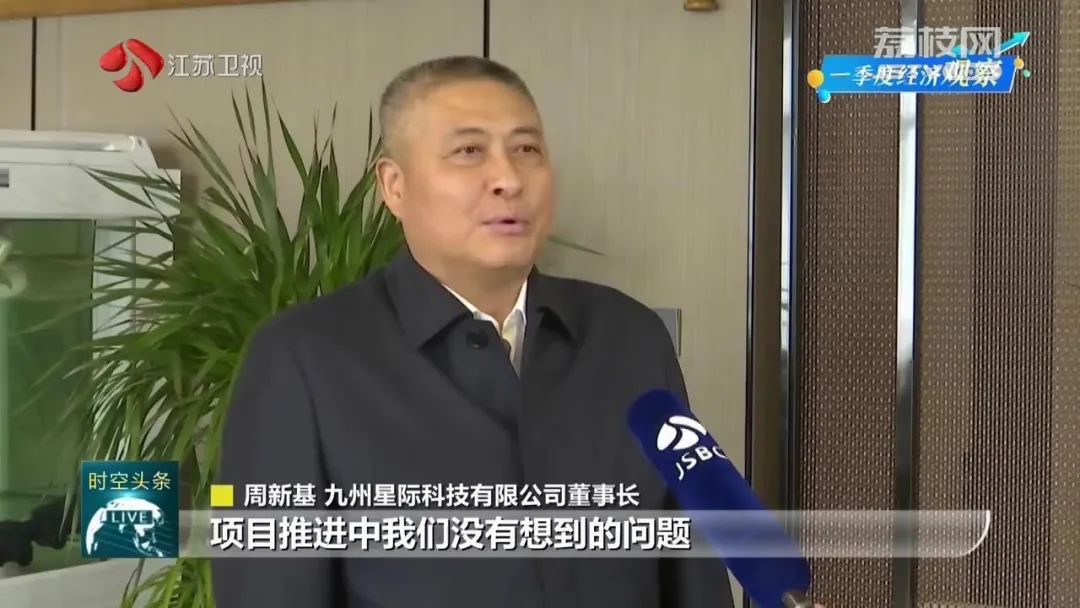
Zhou Xinji, Chairman of XINGI TECH Co., Ltd., told reporters that problems the company had not anticipated during project implementation had been anticipated and helped with by the government in advance. This kind of “nanny-style” service is expected to allow the company to start production two months earlier and to continue to hold more than half of the national market.
This year, Nantong has 34 projects on the provincial list of major projects. At present, Nantong publishes a ranking of the construction progress of all major projects every half month. It has also innovatively established a “four-list system” of problem lists, consultation lists, assignment lists and closure lists, and has coordinated solutions to nearly 20 issues such as land and sea use, capacity replacement and pollution discharge.
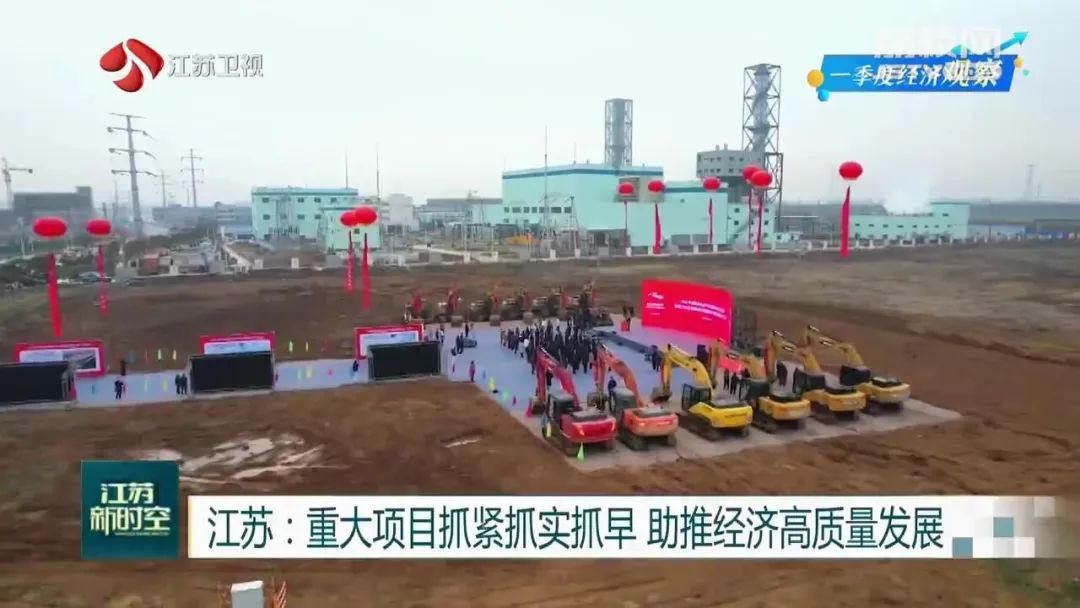
Across the province, in the first quarter localities in Jiangsu, guided by 42 policy measures, organized dozens of activities to advance major projects, including groundbreakings and on-site inspections; the Provincial Major Projects Office visited more than 200 project sites and immediately identified 69 difficult issues requiring coordination at or above the provincial level. Not long ago, Jiangsu issued another 23 implementation measures to guide private investment more strongly in supporting the construction of major projects. Data shows that the start-up and investment of 220 provincial major projects exceeded the scheduled pace, and of the 2,149 monitored industrial projects worth more than RMB 100 million each, 2,070 had started construction, a start rate of 96%.
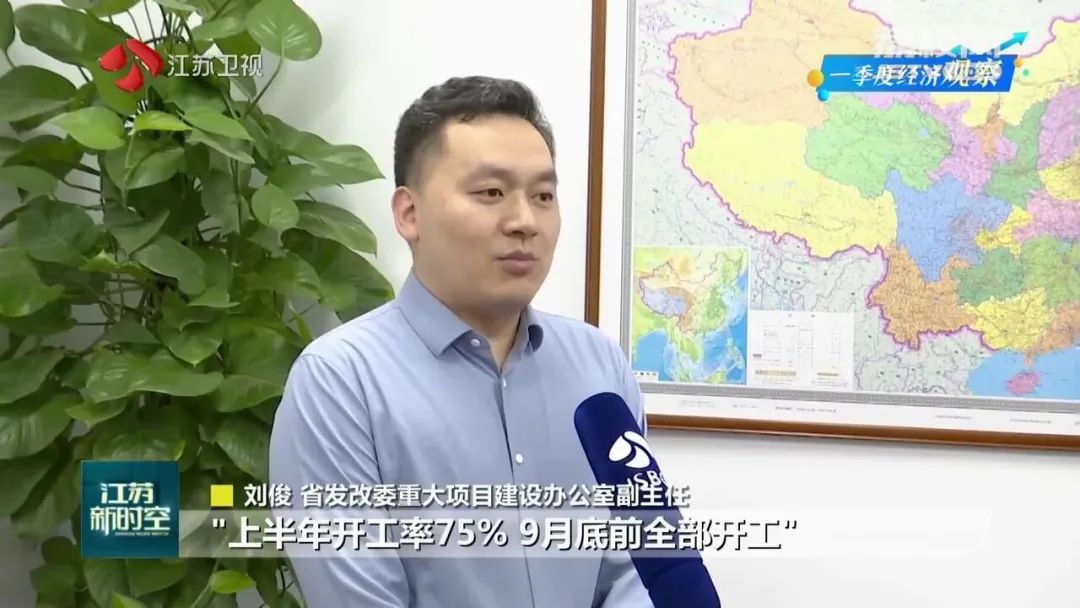
Liu Jun, Deputy Director of the Major Project Construction Office of the Provincial Development and Reform Commission, said that next they would keep a close eye on the goal of “a 75% start rate in the first half of the year, with all projects started before the end of September,” persist in starting from problems, strengthen site visits, research and tracking of projects, and continue to accelerate the implementation and effectiveness in Jiangsu of innovative service measures such as “commitment-based approval” and “start construction upon land acquisition,” contributing more high-quality incremental growth to high-quality economic development.
(Reporters of the Converged Media News Center, Jiangsu Broadcasting Corporation: Chen Chao, Yang Guo, Jiang Chenguang, Gong Dan and Lu Mingjie; Nantong TV, Rudong TV and Yancheng TV; Editor: Hu Chao)
(This news is copyrighted by Jiangsu Broadcasting Corporation.)