
The civilian sector is ultra-high molecular weight polyethylene (UHMWPE) fiber that can demonstrate distinctive performance and give full play to its role. In the past, cost and price limitations made it hard for ordinary consumers to use it, so application development and design in the civilian sector advanced slowly. In recent years, advances in technology and a further decline in fiber costs have put application development and design in the civilian sector on a fast track, while also, to a certain extent, driving up demand for the fiber.
The following sections describe its use in several civilian fields.
1. Gloves
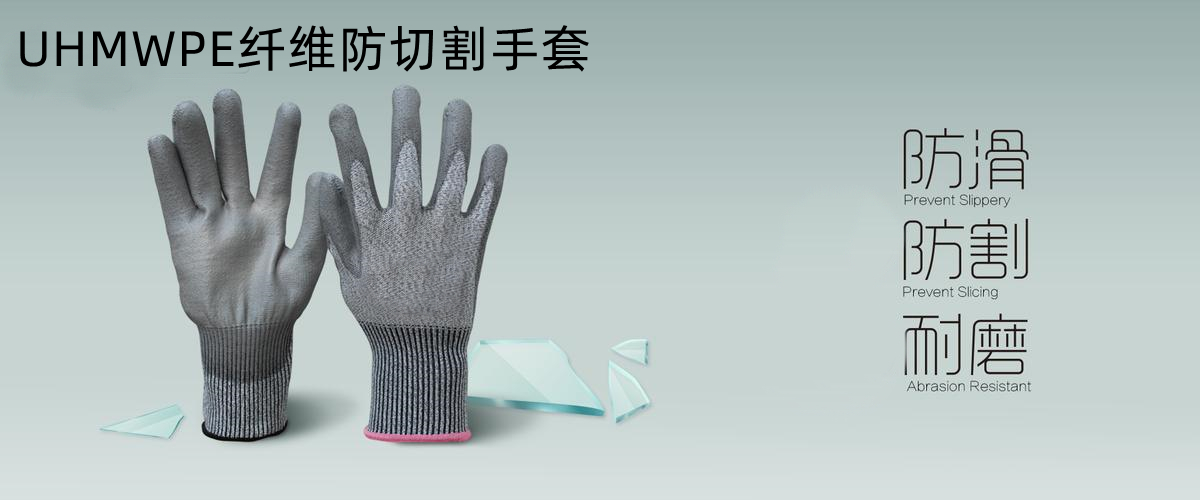
Gloves knitted from UHMWPE fiber blended with spandex, polyester and other fibers offer excellent abrasion resistance and cut resistance, and generally achieve Level 3 cut protection as specified in the EN388 standard (a cut resistance index of 5).Gloves knitted from yarn covered with glass fiber or stainless steel wire can achieve cut resistance of Level 5 (a cut resistance index of 20).
Because the raw material is very strong, corrosion-resistant and wear-resistant, the service life of one pair of high-performance cut-resistant gloves is comparable to that of 500 pairs of ordinary cotton cord gloves. After dipping, such gloves with good cut resistance are usually used in metalworking, glass processing, the military and police and other special industries with high protection requirements. However, asprices have fallen, they have become increasingly widespread and are no longer confined tospecial industries; they have gradually been applied in every industry that requires hand protection, such as construction workers, taxi drivers, delivery workers, fishermen and other general workers.
2. Home Textiles
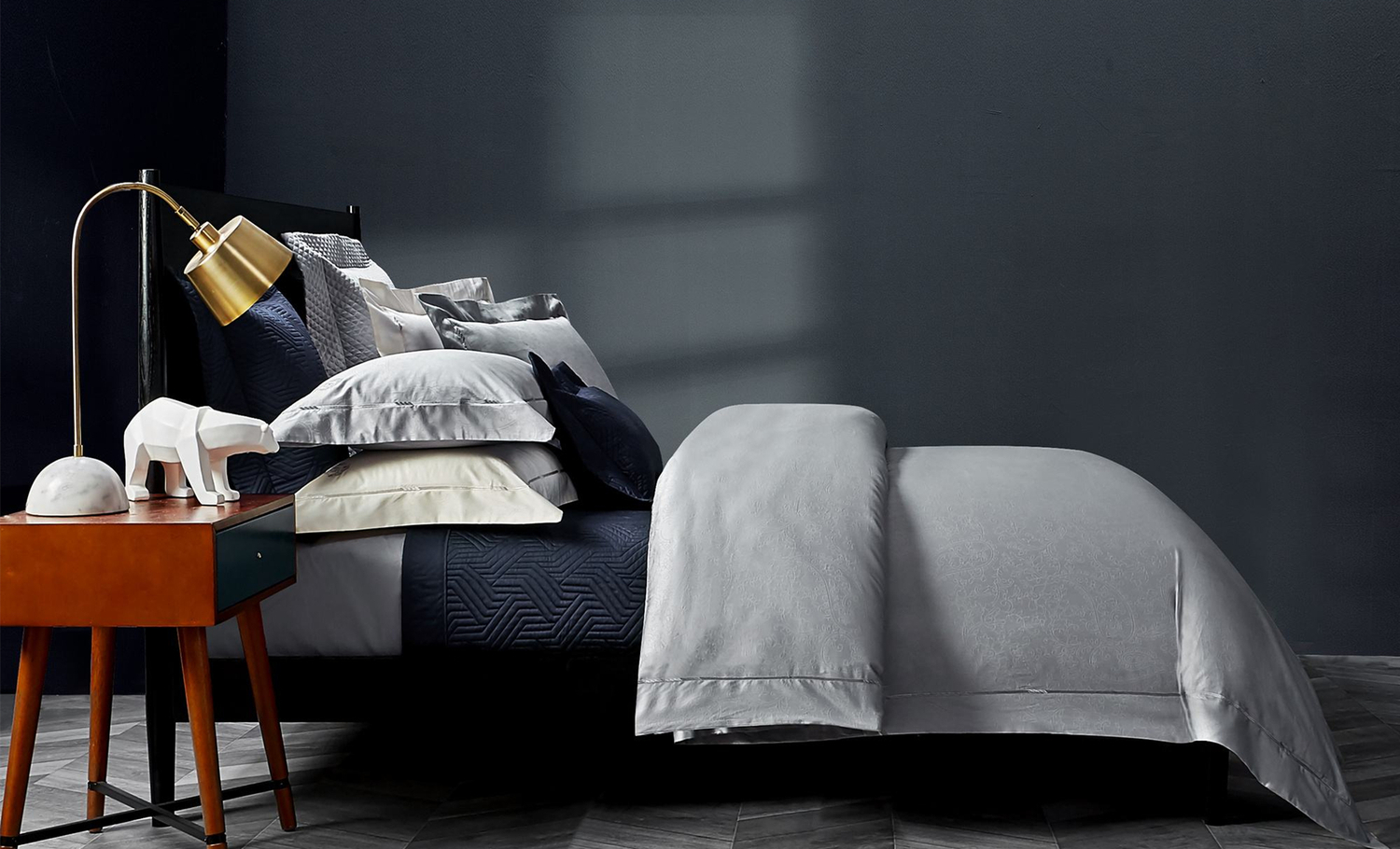
Home textile products are an emerging application area for UHMWPE fiber in recent years; fabric knitted from the fiber has a clear cooling sensation and long-lasting durability. Such fabric can be used for curtains, seat covers, mattresses, mats and the like. Curtains and outdoor tents made from it have very high tensile strength and can withstand strong winds. In particular, bedding used in summer can provide very good cooling, and the body temperature on contact can be reduced by about 5 °C compared with the ambient temperature.
At present, home textile manufacturers in the Jiangsu-Zhejiang-Shanghai region have entered this market, and their products are mostly exported to Europe and the United States, with substantial profits.
3. Apparel
Falling costs and prices mean that UHMWPE fiber is no longer limited to making ballistic clothing; it can also be used to make everyday clothing priced within reach of ordinary consumers, such asT-shirts, trousers and mountaineering jackets. Domestic companiesusing self-produced UHMWPE fiber blended with polyester, cotton and other fibers have developed a full range of summer clothing, including short-sleeve T-shirts, long-sleeve tops and trousers; the designs are fashionable and meet aesthetic requirements while also offering abrasion resistance and cut resistance. The garments do not absorb sweat or develop odors and are cool and comfortable to wear. Apparel products place high demands on residual harmful substances in the fiber and on the uniformity of linear density. Once this application is accepted by the market, demand for UHMWPE fiber will be very large.